Home

Blog

Blog

  • Could Antarctic Marine Life Help Fight Cancer? Tiny Antarctic Sea Creatures May Hold the Key to Future Melanoma Treatments Could Antarctic Marine Life Help Fight Cancer? Tiny Antarctic Sea Creatures May Hold the Key to Future Melanoma Treatments
    Jul 03, 2026
    Introduction The Earth's oceans remain one of the least explored frontiers of scientific discovery. Hidden beneath the icy waters surrounding Antarctica are thousands of unique marine organisms that have evolved remarkable survival strategies in one of the planet's harshest environments. Now, these extraordinary adaptations may offer something even more valuable: new weapons against cancer. Recent biomedical research has identified bioactive compounds produced by Antarctic marine organisms that show promise in the fight against melanoma, one of the deadliest forms of skin cancer. While these discoveries are still in the research stage, they highlight the growing importance of marine biology in drug discovery and the search for next-generation cancer therapies. Why Scientists Are Looking to the Ocean More than 70% of Earth's surface is covered by oceans, yet only a small fraction of marine species has been thoroughly studied. Unlike terrestrial organisms, marine animals often produce highly specialized chemical compounds to survive extreme conditions, defend against predators, or compete for space and resources. These naturally occurring molecules have attracted increasing interest because many possess: Anti-inflammatory properties Antibacterial activity Antiviral effects Anticancer potential Over the past two decades, several approved medicines—including treatments for cancer and chronic pain—have originated from marine organisms. This success has encouraged researchers to explore even more remote ecosystems, including Antarctica. Why Antarctica Is a Unique Natural Laboratory Antarctic waters are among the coldest, darkest, and most nutrient-rich marine environments on Earth. To survive these extreme conditions, organisms have evolved unique biochemical pathways that are rarely found elsewhere. Scientists are particularly interested in organisms such as: Sea squirts (tunicates) Sponges Soft corals Bryozoans Marine bacteria Microalgae Many of these species produce complex molecules that help them survive environmental stress and resist microbial infections. These same molecules may also influence human biological pathways involved in cancer development. Tiny Sea Creatures, Big Scientific Potential   Among the most promising discoveries are compounds isolated from Antarctic sea squirts. Sea squirts are simple filter-feeding marine animals, but they produce a remarkable variety of natural chemicals. Laboratory studies suggest that some of these compounds can: Slow the growth of melanoma cells Trigger programmed cancer cell death (apoptosis) Reduce tumor cell proliferation Interfere with cancer-related signaling pathways Although these findings remain at the preclinical stage, they provide valuable starting points for developing new anticancer drugs. Researchers emphasize that these molecules are not treatments themselves but serve as templates that medicinal chemists can optimize for future therapies. Why Melanoma Remains a Major Challenge Melanoma develops when pigment-producing cells, known as melanocytes, become cancerous. Although melanoma accounts for a smaller proportion of skin cancer cases, it is responsible for the majority of skin cancer deaths because it can spread rapidly to other organs. Modern therapies—including immunotherapy and targeted drugs—have significantly improved survival rates. However, several challenges remain: Drug resistance Tumor recurrence Variable patient responses Limited treatment options for advanced disease These challenges continue to drive the search for entirely new classes of anticancer compounds. Marine natural products represent one promising avenue of exploration. From Marine Biology to Drug Discovery Transforming a marine compound into an approved medicine is a long and highly regulated process. The journey typically includes: Discovering a biologically active molecule. Identifying its chemical structure. Testing its activity in laboratory experiments. Optimizing the compound for safety and effectiveness. Conducting animal studies. Performing clinical trials in humans. Only a small percentage of promising molecules ultimately become approved medicines. Nevertheless, every successful drug begins with a scientific discovery. The Growing Role of Marine Drug Discovery Marine drug discovery has become one of the fastest-growing fields in biomedical research. Advances in genomics, artificial intelligence, and analytical chemistry now allow scientists to identify promising natural compounds more efficiently than ever before. Researchers increasingly combine: Marine biology Computational chemistry Structural biology Artificial intelligence Precision medicine This multidisciplinary approach is accelerating the search for future cancer therapies while reducing the time required to identify promising drug candidates. Scientific Visualization Helps Communicate Complex Discoveries Research involving marine natural products often spans multiple scientific disciplines, including ecology, chemistry, molecular biology, pharmacology, and oncology. Communicating these complex relationships through text alone can be challenging. Scientific illustrations, graphical abstracts, and mechanism diagrams help researchers explain: Marine organism habitats Chemical compound structures Cellular signaling pathways Drug-target interactions Cancer inhibition mechanisms Well-designed scientific visuals not only improve reader understanding but also enhance the clarity and impact of research publications. Looking Ahead The icy waters surrounding Antarctica continue to reveal remarkable biological diversity with enormous scientific potential. Although much work remains before marine-derived compounds become routine cancer treatments, recent discoveries demonstrate that nature still holds countless opportunities for medical innovation. As technologies such as artificial intelligence, genomic sequencing, and marine biotechnology continue to advance, scientists are discovering new ways to transform unusual marine chemistry into life-saving medicines. The next breakthrough in melanoma treatment may come not from a traditional laboratory—but from one of the most remote ecosystems on Earth. Conclusion Marine organisms have already inspired several important medicines, and Antarctic biodiversity may provide the next generation of anticancer compounds. Research into melanoma treatments derived from Antarctic sea life illustrates how marine biology and drug discovery are becoming increasingly interconnected. While these discoveries remain in the early stages of development, they reinforce an important lesson: protecting Earth's oceans is not only essential for biodiversity but may also be critical for the future of human health. Continued investment in marine science, biomedical research, and international collaboration will be vital as scientists explore one of medicine's most promising frontiers.
    Read More
  • The Ultimate Guide to Scientific Journal Cover Design: From Concept to Publication The Ultimate Guide to Scientific Journal Cover Design: From Concept to Publication
    Jun 29, 2026
    Introduction Publishing a scientific paper is a significant milestone—but for many researchers, seeing their work featured on the cover of a journal is an even greater achievement. A journal cover is more than an attractive image. It is a visual representation of scientific discovery that highlights the importance, creativity, and impact of a research project. Whether featured in journals from Nature Portfolio, ACS, Wiley, Elsevier, Springer Nature, or other publishers, cover artwork provides an opportunity to communicate complex science in a way that captures attention far beyond the research community. In this guide, we'll explore how scientific journal covers are created, what editors look for, and how researchers can transform their discoveries into compelling visual stories. What Is Scientific Journal Cover Art? Scientific journal cover art is an illustration or visualization selected to represent one of the research articles published in a specific journal issue. Unlike figures within a paper, cover artwork is not intended to explain every experimental detail. Instead, it should communicate the essence of the research through an engaging and scientifically accurate visual. A successful journal cover often balances three elements: Scientific accuracy Visual storytelling Artistic creativity The goal is to inspire curiosity while remaining faithful to the underlying science. Why Journal Covers Matter Being selected for a journal cover offers several advantages beyond aesthetics. Increased Visibility Cover images are featured on journal websites, newsletters, social media channels, and promotional materials, helping research reach a broader audience. Stronger Research Branding A memorable cover creates a lasting visual identity for a research project and can enhance recognition among collaborators, funding agencies, and the wider scientific community. Enhanced Science Communication Many scientific concepts are difficult to explain using text alone. Cover artwork provides a visual gateway that makes complex ideas more accessible. Professional Recognition Although cover selection does not reflect the scientific quality of a paper alone, it is often viewed as recognition of a study's originality and communication value. How Journal Cover Design Differs from a Graphical Abstract Many researchers confuse journal covers with graphical abstracts, but they serve different purposes. Graphical Abstract Explains the research process Focuses on mechanisms or workflows Supports manuscript comprehension Often required during submission Journal Cover Celebrates the research Tells a visual story Creates emotional and visual impact Designed for promotion and branding Think of a graphical abstract as a scientific summary, while a journal cover functions more like the poster of a feature film. What Editors Look For Although every publisher has its own guidelines, successful cover artwork usually shares several characteristics. A Clear Central Message Editors prefer artwork built around one memorable scientific idea rather than multiple competing concepts. Strong Composition Effective covers guide the viewer's eye naturally toward the primary scientific discovery. Scientific Accuracy Artistic creativity should never distort or exaggerate the underlying science. Visual Simplicity The strongest covers often communicate a single concept clearly instead of attempting to illustrate every experimental detail. Publication Quality Artwork should meet technical requirements for resolution, color space, typography, and file format. The Journal Cover Design Process Creating professional cover artwork typically involves several stages. Step 1: Understand the Research Design begins with carefully reviewing the manuscript, figures, and key findings. Questions commonly considered include: What is the main scientific discovery? Which mechanism is most visually interesting? What message should readers remember? Step 2: Develop a Concept Several visual concepts are explored before selecting the strongest idea. Possible approaches include: Molecular landscapes Cellular environments Nanostructures Medical illustrations Environmental scenes Space-inspired compositions Abstract conceptual imagery Step 3: Create a Sketch A rough layout establishes composition, perspective, and storytelling before detailed rendering begins. Step 4: Produce the Final Artwork Professional software is used to create publication-ready artwork with attention to lighting, texture, color harmony, and scientific detail. Step 5: Refine and Submit Researchers review the artwork to ensure scientific accuracy before submission to the journal. Common Mistakes to Avoid Many otherwise strong cover submissions fail because of avoidable design issues. Overcrowded Composition Trying to illustrate every experiment usually weakens the visual impact. Excessive Text Most journals discourage large amounts of text on cover artwork. Scientific Inaccuracy Small biological or structural inaccuracies can reduce credibility. Generic Visuals Stock imagery rarely reflects the originality of a research project. Poor Color Balance Colors should enhance readability rather than distract from the main message. Design Trends in Scientific Journal Covers Modern journal covers increasingly incorporate cinematic visual techniques. Popular trends include: Three-dimensional molecular rendering Dynamic lighting Transparent materials Microscopic landscapes AI-assisted concept development Realistic biological textures High-contrast compositions Minimalist storytelling These approaches help transform complex research into visually compelling narratives while maintaining scientific integrity. Can AI Replace Scientific Cover Designers? Artificial intelligence has become a valuable tool for brainstorming concepts and accelerating parts of the creative process. However, journal cover design requires much more than image generation. Professional designers work closely with researchers to: Interpret scientific mechanisms Ensure biological and structural accuracy Meet publisher specifications Refine composition for visual communication AI can support creativity, but scientific expertise and thoughtful design remain essential for producing publication-quality cover artwork. Tips for Researchers Preparing Cover Artwork If you are considering submitting cover art, keep these recommendations in mind: Identify the single most important scientific message. Gather high-quality figures and supporting data. Review the journal's artwork guidelines before designing. Avoid unnecessary complexity. Focus on visual storytelling rather than decorative effects. Seek feedback from colleagues before submission. Early planning often leads to stronger results than creating cover artwork after publication. Conclusion Scientific journal covers represent the intersection of research, communication, and visual art. An outstanding cover does more than decorate a journal—it communicates the significance of scientific discovery, attracts new audiences, and creates a lasting impression of the research. Whether your work explores nanomaterials, biomedical engineering, chemistry, environmental science, or artificial intelligence, thoughtful cover design can amplify the visibility and impact of your research. As scientific publishing becomes increasingly visual, investing in professional journal cover artwork is no longer simply an aesthetic choice—it is an effective way to communicate science to the world.
    Read More
  • Why the World's Oceans Are Heating Faster Than Ever: The Latest Climate Science Why the World's Oceans Are Heating Faster Than Ever: The Latest Climate Science
    Jun 19, 2026
    Introduction The world's oceans are warming at an unprecedented pace. Over the past several years, scientists have observed exceptionally high sea surface temperatures across multiple ocean basins. These changes are more than isolated weather events—they are part of a broader warming trend driven by climate change. Because the oceans absorb more than 90% of the excess heat trapped by greenhouse gases, even small increases in ocean temperature can have profound consequences for weather systems, marine ecosystems, sea-level rise, and global biodiversity. Understanding why the oceans are warming has become one of the most important challenges in climate science. Why Are Ocean Temperatures Rising? The primary driver is the increase in greenhouse gases such as carbon dioxide and methane. As these gases accumulate in Earth's atmosphere, they trap more heat that would otherwise escape into space. While land temperatures respond relatively quickly, the oceans act as Earth's largest heat reservoir, slowly absorbing enormous amounts of excess energy. This process helps moderate atmospheric warming but also leads to steadily increasing ocean temperatures. Scientists estimate that the oceans have absorbed the vast majority of human-induced excess heat since the industrial era, making ocean warming one of the clearest indicators of long-term climate change. How Scientists Measure Ocean Temperature Monitoring global ocean temperature requires an extensive network of technologies. Researchers combine observations from: Weather satellites Autonomous Argo profiling floats Research vessels Ocean buoys Climate monitoring stations These systems measure both sea surface temperatures and deeper ocean layers, providing a comprehensive picture of how heat is distributed throughout the world's oceans. Long-term datasets allow scientists to distinguish natural climate variability from persistent warming trends. Marine Heatwaves Are Becoming More Common One of the most visible consequences of rising ocean temperatures is the increasing frequency of marine heatwaves. Marine heatwaves occur when ocean temperatures remain significantly above average for extended periods. These events can last from several days to several months and affect ecosystems over vast geographic areas. Marine heatwaves have been linked to: Coral bleaching Kelp forest decline Fish migration Harmful algal blooms Changes in marine food webs Scientists expect these events to become more frequent as global temperatures continue to rise. Coral Reefs Under Pressure Coral reefs are among the ecosystems most vulnerable to warming oceans. Corals live in partnership with microscopic algae that provide much of their energy through photosynthesis. When water temperatures become too high, corals expel these algae, resulting in coral bleaching. Although bleached corals are not immediately dead, prolonged heat stress greatly reduces their chances of survival. Repeated bleaching events threaten reef biodiversity, fisheries, tourism, and coastal protection. Warming Oceans and Extreme Weather Ocean temperatures influence weather systems around the globe. Warmer oceans provide additional energy that can intensify: Tropical cyclones Hurricanes Heavy rainfall Atmospheric rivers Higher sea surface temperatures also increase evaporation, adding more moisture to the atmosphere and contributing to more intense precipitation events in many regions. Although no single storm can be attributed solely to climate change, warmer oceans create conditions that favor stronger and wetter extreme weather events. Rising Seas: Another Consequence of Ocean Warming Ocean warming contributes to sea-level rise in two important ways. First, seawater expands as it warms, a process known as thermal expansion. Second, warmer oceans accelerate the melting of glaciers and polar ice sheets. Together, these processes increase global sea levels, placing greater pressure on coastal cities, wetlands, and island communities. Even modest increases in sea level can significantly raise the risk of coastal flooding during storms. Can the Oceans Recover? The oceans have an extraordinary capacity to regulate Earth's climate, but recovery is slow. Because seawater stores heat efficiently, the effects of today's greenhouse gas emissions may persist for decades. Scientists emphasize that reducing carbon emissions remains the most effective strategy for slowing future ocean warming. At the same time, protecting marine ecosystems through conservation, sustainable fisheries, and habitat restoration can improve resilience against climate-related stress. The Role of Scientific Visualization in Climate Research Modern climate science relies on enormous volumes of observational data, computer simulations, and predictive models. Communicating these complex datasets requires more than tables and technical reports. Scientific illustrations, graphical abstracts, and data visualizations help researchers explain: Ocean circulation Heat transport Climate feedback mechanisms Marine ecosystem responses Future climate projections Clear visual communication enables policymakers, educators, and the public to better understand the science behind climate change and supports more informed decision-making. Looking Ahead Ocean warming is one of the strongest indicators of a changing climate. Continued monitoring will help scientists improve climate models, predict extreme events, and guide adaptation strategies. While the challenges are significant, advances in Earth observation, artificial intelligence, and climate modeling are providing unprecedented insight into how our oceans are changing. Understanding these changes is essential not only for protecting marine ecosystems but also for safeguarding communities, economies, and future generations. Conclusion The warming of the world's oceans is reshaping Earth's climate in profound ways. From marine heatwaves and coral bleaching to stronger storms and rising sea levels, ocean temperature has become one of the most important indicators of global climate change. Continued scientific research, international collaboration, and effective science communication will be critical as researchers work to better understand—and respond to—our rapidly changing planet.
    Read More
  • Can AI Help Develop a Universal Coronavirus Vaccine? The Latest Advances in Vaccine Research Can AI Help Develop a Universal Coronavirus Vaccine? The Latest Advances in Vaccine Research
    Jun 10, 2026
    Introduction The COVID-19 pandemic transformed the way scientists develop vaccines. Technologies that once required years of research are now being accelerated through artificial intelligence (AI), machine learning, and computational biology. Today, researchers around the world are pursuing one of the most ambitious goals in immunology: developing a universal coronavirus vaccine capable of protecting against not only current SARS-CoV-2 variants but also future coronavirus outbreaks. While no universal coronavirus vaccine has yet reached widespread clinical use, recent advances suggest that AI is becoming an essential tool in making this long-term objective more achievable. But how exactly can AI contribute to vaccine development? Why Do We Need a Universal Coronavirus Vaccine? Current COVID-19 vaccines have saved millions of lives by significantly reducing severe disease and mortality. However, coronaviruses evolve rapidly. New variants may partially evade existing immune protection, requiring updated vaccine formulations and booster campaigns. A universal coronavirus vaccine aims to provide broader and longer-lasting protection by targeting viral regions that remain relatively stable across different coronavirus strains. Such a vaccine could potentially protect against: SARS-CoV-2 variants SARS-CoV MERS-CoV Future zoonotic coronaviruses Rather than responding to each new outbreak individually, scientists hope to develop a vaccine capable of preparing humanity for future pandemics. How AI Is Changing Vaccine Research Artificial intelligence is transforming nearly every stage of vaccine development. Instead of relying solely on traditional laboratory screening, researchers can now analyze enormous biological datasets in a fraction of the time. AI supports vaccine research by helping scientists: Identify Conserved Viral Regions Machine learning models analyze thousands of viral genome sequences to identify regions that remain stable despite mutation. These conserved regions are ideal targets for universal vaccines because they are less likely to change over time. Predict Immune Responses Not every viral protein generates a strong immune response. AI algorithms can predict which epitopes are most likely to activate B cells and T cells, helping researchers prioritize the most promising vaccine candidates. This significantly reduces the number of laboratory experiments required. Optimize Vaccine Design Modern vaccine development often involves evaluating millions of possible antigen combinations. AI can rapidly compare these combinations based on structural stability, immunogenicity, and safety predictions. Instead of manually testing every possibility, scientists can focus on candidates with the highest probability of success. Accelerate Clinical Development AI also supports later stages of vaccine development through: Clinical trial optimization Patient recruitment Biomarker discovery Safety monitoring Manufacturing process optimization These applications help reduce both development time and overall costs. Beyond COVID-19: AI Is Transforming Vaccine Development Although coronavirus research has attracted significant attention, AI is already being applied across many infectious diseases. Current research includes vaccines targeting: Influenza HIV Respiratory Syncytial Virus (RSV) Tuberculosis Malaria Many researchers believe that AI-assisted vaccine platforms will become standard tools for responding to future emerging infectious diseases. The Challenges of Building a Universal Coronavirus Vaccine Despite rapid technological progress, developing a universal coronavirus vaccine remains an enormous scientific challenge. Viral Diversity Coronaviruses vary considerably across species. A vaccine must stimulate immunity against many genetically distinct viruses. Immune Complexity Broad protection requires carefully balancing antibody and T-cell responses. Designing vaccines that generate durable immunity remains difficult. Experimental Validation AI can identify promising candidates, but laboratory experiments and clinical trials are still essential. Computational predictions must be confirmed through biological testing. Global Collaboration Creating a universal vaccine requires collaboration among virologists, immunologists, structural biologists, computational scientists, and clinicians. AI enhances collaboration—but it cannot replace scientific expertise. Why Scientific Visualization Matters As vaccine research becomes increasingly interdisciplinary, communicating complex discoveries is more important than ever. A typical AI-assisted vaccine project may involve: Viral evolution Protein structures Antigen design Immune signaling pathways Machine learning workflows Clinical development These concepts are difficult to explain using text alone. High-quality scientific figures can transform complicated mechanisms into clear visual stories that help readers, reviewers, and collaborators understand the research more efficiently. Graphical abstracts, mechanism illustrations, and publication-ready figures have become essential tools for communicating modern vaccine research. Looking Ahead Artificial intelligence is unlikely to replace vaccine scientists. Instead, it is becoming a powerful research partner. By combining computational prediction with experimental validation, researchers are building faster and more efficient vaccine discovery pipelines. While a universal coronavirus vaccine is still under development, AI has already changed how scientists search for vaccine targets, optimize antigen design, and analyze immune responses. The next pandemic may not be prevented by AI alone—but AI will almost certainly play a central role in helping researchers prepare for it. Conclusion The pursuit of a universal coronavirus vaccine represents one of the most ambitious goals in modern biomedical research. Artificial intelligence is accelerating this effort by enabling researchers to analyze complex biological data, predict promising vaccine targets, and streamline the development process. Although significant scientific challenges remain, AI is transforming vaccine research from a largely trial-and-error process into a more data-driven and efficient discipline. As computational biology, immunology, and machine learning continue to converge, the future of vaccine development will likely become faster, smarter, and more collaborative than ever before.  
    Read More
  • Artemis II Mission Success: NASA’s Return to the Moon After 50 Years and the New Space Race Artemis II Mission Success: NASA’s Return to the Moon After 50 Years and the New Space Race
    May 26, 2026
    Introduction Humanity has officially returned to deep space. In April 2026, NASA successfully completed the Artemis II mission, sending astronauts around the Moon and safely back to Earth for the first crewed lunar mission since Apollo 17 in 1972. The historic flight marked the first time in more than five decades that humans traveled beyond low Earth orbit and ventured into deep space. But Artemis II is more than a symbolic return to the Moon. The mission represents the beginning of a long-term strategy to establish a sustained human presence on the lunar surface, develop lunar infrastructure, and prepare for future missions to Mars. As governments and private companies accelerate investments in lunar exploration, Artemis II may be remembered as the mission that launched a new era of space exploration. What Was Artemis II? Artemis II was NASA’s first crewed test flight of the Orion spacecraft and Space Launch System (SLS). The mission carried four astronauts: Reid Wiseman (NASA) Victor Glover (NASA) Christina Koch (NASA) Jeremy Hansen (Canadian Space Agency) During the nearly 10-day mission, the crew traveled around the Moon and returned safely to Earth, completing critical tests of life-support systems, spacecraft operations, navigation technologies, and deep-space communication systems. The mission reached a record distance of 248,655 miles from Earth, surpassing the distance record previously held by Apollo 13. The Orion spacecraft successfully splashed down in the Pacific Ocean on April 10, 2026. Why Artemis II Matters For many observers, Artemis II was a historic achievement. For NASA, it was a critical systems validation mission. Before astronauts can land on the Moon again, NASA must demonstrate that its next-generation spacecraft can safely transport crews through deep space and return them to Earth. Artemis II successfully tested: Deep-space crew operations Orion spacecraft performance Re-entry and heat shield systems Long-duration lunar navigation Human performance in deep-space environments NASA officials described the mission as a foundational step toward future lunar landings and long-term exploration initiatives. The Moon Base Vision: From Missions to Permanent PresencePerhaps the most important outcome of Artemis II is what comes next. NASA is no longer pursuing short-term lunar visits. Instead, the agency is building toward a sustained lunar presence through the Artemis program. The long-term goal includes: Lunar habitats Surface power systems Scientific research stations Autonomous robotic infrastructure Resource utilization technologies Recent NASA announcements reveal plans for lunar landers, rovers, cargo systems, and drone technologies that will support the construction of a future Moon Base near the lunar south pole. The lunar south pole is particularly attractive because it may contain water ice deposits that could support future astronauts through the production of drinking water, oxygen, and rocket fuel. This strategy transforms the Moon from a destination into an operational base for deeper space exploration. The Rise of Commercial Space Competition Another major story behind Artemis II is the growing role of private industry. Unlike the Apollo era, modern lunar exploration is increasingly driven by partnerships between government agencies and commercial companies. NASA has recently awarded contracts to several private firms, including: Blue Origin Firefly Aerospace Lunar Outpost Astrolab These companies are developing landers, lunar vehicles, robotic systems, and infrastructure technologies that could support future Moon Base operations. This public-private model aims to reduce costs while accelerating innovation. The result is a rapidly expanding lunar economy where government missions and commercial ventures work together to establish a permanent presence beyond Earth. A New Space Race Is Already Underway The Artemis program is also unfolding within a broader geopolitical context. Multiple nations are expanding lunar ambitions, including: United States China European Space Agency partners Canada Japan As lunar exploration becomes increasingly strategic, the Moon is emerging as the next major arena for technological leadership, scientific research, and resource development. Many analysts now describe the current environment as a new space race—one focused not only on reaching the Moon, but on staying there. NASA officials have repeatedly emphasized that Artemis is designed as a long-term exploration framework rather than a single mission series. Scientific Discoveries Beyond the Mission Artemis II was not only a transportation milestone. The crew conducted scientific observations during their lunar flyby, including monitoring meteoroid impact flashes on the far side of the Moon and collecting data that could help researchers better understand lunar surface conditions. These observations contribute to future planning for lunar habitats, astronaut safety systems, and long-term surface operations. The mission also generated extensive imagery and engineering data that will help shape upcoming Artemis missions. What Comes Next? Following the success of Artemis II, NASA is preparing for the next phase of lunar exploration. Upcoming objectives include: Artemis III lunar landing mission Deployment of lunar infrastructure Surface mobility systems Expansion of commercial lunar services Development of the Artemis Base Camp concept NASA recently announced additional Moon Base contracts and future mission planning efforts that could lead to sustained human activity on the lunar surface by the early 2030s. The long-term vision extends beyond the Moon. NASA sees lunar operations as a testing ground for future human missions to Mars. Conclusion The success of Artemis II marks one of the most significant milestones in modern spaceflight. For the first time in more than 50 years, humans have traveled around the Moon and returned safely home. But the true significance of the mission lies in what it enables next. From lunar bases and commercial space infrastructure to future Mars expeditions, Artemis II represents the beginning of a new chapter in human exploration. The question is no longer whether humanity will return to the Moon. The question is how quickly we will build a permanent presence there.
    Read More
  • 🧠 AI Is Becoming a Scientist: Google’s “Co-Scientist” Breakthrough and the Future of Scientific Discovery
    May 13, 2026
    Introduction Artificial intelligence is no longer just a tool for data analysis or automation. In 2026, AI is beginning to take on a far more ambitious role — acting as a scientific collaborator. At Google I/O 2026, Google Research revealed a new generation of AI systems, including “Co-Scientist” and ERA (Empirical Research Assistant), designed not just to assist scientists, but to actively generate hypotheses, build models, and accelerate scientific discovery. This marks a major shift in how research is conducted — and raises a critical question: Are we entering an era where AI becomes a true scientific partner? What Is Google’s AI “Co-Scientist”? Google’s Co-Scientist system is an AI-driven research assistant that can: Analyze massive scientific literature databases Generate and rank novel hypotheses Propose experimental directions Assist in computational modeling Support drug discovery and biomedical research According to Google Research leadership, these systems are already being applied to areas such as drug repurposing for cancer and antimicrobial resistance studies. In parallel, ERA (Empirical Research Assistant) focuses on automating computational experiments and model testing, reducing the time required for iterative scientific validation. Why This Breakthrough Matters Traditionally, scientific discovery follows a slow, human-driven pipeline: Literature review Hypothesis generation Experimental design Data collection Validation AI systems like Co-Scientist compress this workflow by automating early-stage reasoning and experimental planning. This could dramatically accelerate research in: 🧬 Drug discovery 🧠 Neuroscience ⚛️ Physics modeling 🌍 Climate science 🧫 Biomedical research In other words, AI is shifting from data processing tools → hypothesis-generating systems. Real-World Impact: From Cancer to Antibiotics One of the most significant implications of this technology is in biomedical research. Google researchers report that AI-assisted systems have already contributed to: Drug repurposing for acute myeloid leukemia Studies in antimicrobial resistance Faster identification of potential therapeutic compounds This aligns with broader industry trends where AI models (including systems like AlphaFold) are transforming how new medicines are discovered. Is AI Replacing Scientists? Despite the dramatic progress, researchers emphasize that AI is not replacing human scientists — at least not yet. Instead, AI is acting as: A “force multiplier” for human creativity and reasoning Scientists still define: Research goals Experimental constraints Ethical boundaries Final interpretation of results However, AI increasingly handles: Hypothesis generation Literature synthesis Pattern discovery Simulation and modeling This creates a new research paradigm: Human + AI co-discovery. The Rise of “Autonomous Science” Google’s Co-Scientist is part of a broader movement toward autonomous scientific systems, sometimes called: Self-driving laboratories AI research agents Closed-loop discovery systems In these systems, AI not only proposes ideas but also iteratively refines them based on experimental feedback. Some researchers believe this could eventually lead to: Fully automated discovery pipelines where AI runs end-to-end research cycles Challenges and Concerns Despite the excitement, several challenges remain: 1. Scientific Reliability AI-generated hypotheses must still be rigorously validated. 2. Transparency Understanding why AI proposes certain ideas is still difficult. 3. Research Bias AI models may inherit biases from training data. 4. Scientific Ownership Who owns an AI-generated discovery? These issues will shape the next decade of AI governance in science. The Future: AI as a Scientific Partner The emergence of AI Co-Scientist systems suggests a fundamental shift in scientific methodology. Instead of replacing scientists, AI is becoming: A hypothesis generator A simulation engine A literature analyst A research accelerator This evolution may lead to a new era of discovery where breakthroughs happen faster than ever before. Conclusion The introduction of AI Co-Scientist systems marks one of the most important developments in modern research. We are moving toward a future where: Scientific discovery is no longer purely human — but a collaboration between humans and intelligent machines. The question is no longer whether AI will transform science, but how quickly we can adapt to this new research ecosystem.
    Read More
  • Common Figure Mistakes That Lead to Manuscript Rejection
    May 07, 2026
    Why High-Quality Figures Matter More Than Ever Researchers often spend months—or even years—conducting experiments, analyzing data, and writing manuscripts. Yet one critical aspect of scientific publishing is frequently underestimated: figure quality. Scientific figures are often the first part of a manuscript that editors, reviewers, and readers examine. Before diving into the text, they scan the figures to assess the study's novelty, rigor, and overall presentation. A poorly designed figure can create confusion, raise concerns about data quality, and ultimately contribute to manuscript rejection. While scientific merit remains the most important factor in publication decisions, weak figures can significantly reduce a manuscript's chances of success. In this article, we explore some of the most common figure mistakes that lead to negative reviewer comments and explain how researchers can avoid them. 1. Overcrowded Figures One of the most common problems in scientific publishing is trying to include too much information in a single figure. Researchers often combine multiple experiments, datasets, and analyses into one panel, resulting in a figure that is difficult to read and interpret. Common Symptoms Too many panels Tiny labels Excessive annotations Multiple unrelated datasets Why Reviewers Dislike It Reviewers should not have to spend significant time deciphering a figure. If the main message is hidden within excessive detail, the scientific impact may be diminished. Best Practice Focus each figure on a single scientific question or key finding. If necessary, divide complex content into multiple figures. 2. Poor Resolution and Image Quality Low-resolution figures remain a surprisingly common reason for editorial revisions and delays. Images that appear acceptable on a computer screen may become blurry when viewed in publication format. Common Issues Pixelated microscopy images Blurry graphs Compressed image files Screenshots used as figures Why It Matters Poor image quality can make important details impossible to evaluate and may raise concerns about professionalism. Best Practice Prepare figures at the resolution required by the target journal and export files in high-quality formats whenever possible. 3. Inconsistent Design Across Figures A manuscript should present a coherent visual story. However, many submissions contain figures created at different times using different software, resulting in inconsistent visual styles. Common Issues Multiple font styles Different color schemes Inconsistent line widths Variable panel layouts Why Reviewers Notice Inconsistency can make a manuscript appear unfinished and distract readers from the scientific content. Best Practice Maintain a consistent visual language throughout all figures in the manuscript. 4. Unclear Labels and Annotations Even excellent data can lose impact if readers cannot understand what they are looking at. Common Issues Missing axis labels Undefined abbreviations Ambiguous arrows Incomplete legends Reviewer Concerns Reviewers frequently comment that figures are difficult to interpret without repeatedly consulting the main text. Best Practice Ensure that figures are largely self-explanatory and that all labels, symbols, and abbreviations are clearly defined. 5. Misleading or Inappropriate Color Usage Color is a powerful communication tool, but it is often misused. Common Problems Excessively bright colors Low contrast Random color choices Red-green combinations that are inaccessible to color-blind readers Why It Matters Poor color selection can obscure important findings and reduce accessibility. Best Practice Use color intentionally to emphasize key information and consider color-blind-friendly palettes whenever possible. 6. Statistical Information Is Missing or Incomplete Reviewers pay close attention to how data are presented. Figures lacking appropriate statistical information often generate requests for revision. Common Issues Missing error bars Undefined sample sizes Unexplained significance indicators Incomplete statistical methods Reviewer Questions How many replicates were performed? What statistical test was used? Are the differences significant? Best Practice Clearly present all relevant statistical information within the figure or legend. 7. Excessive Reliance on Default Software Settings Many figures are generated directly from data analysis software without further refinement. Common Examples Default graph templates Generic color palettes Poor spacing Unoptimized layouts Why It Can Hurt Default settings rarely communicate scientific findings in the clearest way. Best Practice Treat figure design as part of scientific communication rather than simply data export. 8. Lack of Visual Hierarchy Effective figures guide readers through information in a logical sequence. Many rejected manuscripts contain figures where all elements compete equally for attention. Common Symptoms No focal point Equal emphasis on all panels Disorganized layouts Best Practice Create a clear visual hierarchy that directs attention toward the most important findings first. 9. Figures Do Not Tell a Story A manuscript is more than a collection of experiments—it is a scientific narrative. Figures should support that narrative. Common Problem Individual figures may be scientifically correct but disconnected from the overall story. Reviewer Response Reviewers may conclude that the manuscript lacks focus or a clear scientific message. Best Practice Arrange figures in a logical sequence that reflects the progression of the study. 10. Graphical Abstracts and Schematics Are Oversimplified—or Overcomplicated Graphical abstracts have become increasingly important in scientific publishing. However, many submissions fall into one of two extremes: Too Simple The figure provides little information beyond the title. Too Complex The figure resembles an entire review article condensed into a single image. Best Practice Focus on the central mechanism or discovery while maintaining clarity and visual balance. What Editors and Reviewers Really Want Although scientific disciplines vary, most editors and reviewers look for figures that are: Clear Accurate Visually organized Scientifically rigorous Easy to interpret The best figures reduce cognitive effort and allow readers to understand the key findings quickly. When figures are well designed, they strengthen the manuscript and enhance the communication of the research itself. Final Thoughts Scientific figures are no longer just supporting elements of a manuscript. They are often the primary vehicle through which research is evaluated, understood, and remembered. Many manuscript rejections are not caused solely by poor science, but by ineffective communication of otherwise valuable findings. By avoiding common figure mistakes and investing in thoughtful scientific visualization, researchers can significantly improve the clarity, professionalism, and impact of their work. In an increasingly competitive publishing environment, strong figures are not a luxury—they are an essential component of successful scientific communication.
    Read More
  • Scientists Discover a “Switch” That Supercharges T Cells Against Cancer Scientists Discover a “Switch” That Supercharges T Cells Against Cancer
    Apr 14, 2026
    Introduction: A New Lever in the Fight Against Cancer Cancer immunotherapy has already transformed oncology by harnessing the body’s own immune system. Yet, one major limitation persists: T cells—our primary anti-tumor warriors—often become exhausted, suppressed, or metabolically inefficient inside tumors. A new study published in 2026 introduces a strikingly simple yet powerful concept:👉 Block a single protein, and T cells become dramatically more potent. Specifically, researchers found that inhibiting a mitochondrial protein called Ant2 can reprogram T cell metabolism, making them stronger, more durable, and far more effective at killing cancer cells. The Core Discovery: Rewiring T Cells from the Inside At the heart of this breakthrough is metabolic reprogramming—a concept gaining rapid traction in immunotherapy. What happens when Ant2 is blocked? T cells shift how they generate energy Mitochondrial activity is reprogrammed Cells become: More persistent More proliferative More cytotoxic (better at killing tumors) Researchers describe this as turning T cells into a “high-performance mode” state. This is fundamentally different from many existing therapies—it doesn’t just “activate” T cells, it re-engineers their internal power system. Why This Is a “Game Changer” 1. It Targets the Root of T Cell Failure Tumors don’t just hide—they actively suppress immune cells. For example: Proteins like PD-1/PD-L1 act as “brakes” on T cells Tumor environments are nutrient-poor and metabolically hostile 👉 Traditional checkpoint inhibitors remove inhibitory signals.👉 This new strategy makes T cells intrinsically stronger, even in hostile environments. 2. A Complement, Not a Replacement This approach could synergize with existing therapies, including: Checkpoint inhibitors (PD-1, CTLA-4) CAR-T cell therapy Cancer vaccines For instance: CAR-T therapy has shown ~40% survival improvement in solid tumor trials Yet many patients still fail to respond due to T cell exhaustion 👉 Metabolic reprogramming could boost response rates across therapies 3. Simplicity with Broad Potential Unlike complex genetic engineering: This strategy focuses on one protein target Potentially easier to translate into drug development This mirrors successful approaches like: Blocking TIGIT or PD-1 pathways to restore immune activity Mechanism Deep Dive (Perfect for Scientific Illustration)     Step-by-Step Mechanism: Ant2 inhibition↓ Mitochondrial energy pathway disruption↓ Metabolic rewiring (shift in ATP production)↓ Enhanced T cell fitness Increased proliferation Improved survival Stronger tumor targeting↓ Improved tumor clearance This layered mechanism makes it ideal for high-impact scientific illustrations, especially for: Journal covers Grant proposals Immunology presentations Supporting Context: The Bigger Immunotherapy Landscape This discovery fits into a broader trend: From “Unlocking” to “Upgrading” T Cells Historically: Immunotherapy = removing brakes (checkpoint inhibitors) Now: Focus is shifting toward enhancing intrinsic T cell biology Examples include: Targeting metabolic checkpoints Engineering T cell receptors Modifying tumor recognition pathways Challenges Ahead Despite its promise, several questions remain: Safety: Could hyperactive T cells damage healthy tissue? Translation: Will this work in human patients, not just lab models? Durability: How long do the enhanced effects last? These are common hurdles in immunotherapy, where only a subset of patients currently benefit from existing treatments. Conclusion: A New Era of Immune Engineering Blocking a single protein to supercharge T cells represents more than a discovery—it signals a paradigm shift: From externally controlling immune responses → to internally upgrading immune cells If successfully translated into therapies, this approach could: Improve response rates Overcome resistance Expand immunotherapy to more cancer types In short, it has all the hallmarks of a true next-generation cancer treatment strategy.
    Read More
  • Microplastics Mystery Solved? Study Reveals Land Emits 20× More Than Oceans Microplastics Mystery Solved? Study Reveals Land Emits 20× More Than Oceans
    Apr 16, 2026
    Introduction: A Major Miscalculation in Microplastic Pollution For years, scientists believed that oceans were the primary source of airborne microplastics. However, a groundbreaking new study has upended this assumption—revealing that land-based sources may emit over 20 times more microplastic particles into the atmosphere than oceans.     This discovery not only challenges long-standing scientific models but also raises critical questions about global pollution pathways, policy priorities, and human exposure risks. What Are Microplastics—and Why Airborne Sources Matter? Microplastics are tiny plastic particles (less than 5 mm in size) generated either directly (e.g., microbeads) or through the breakdown of larger plastics like bottles, tires, and textiles. While traditionally studied in oceans and soils, recent research shows that microplastics are also widespread in the atmosphere, capable of traveling long distances and reaching even remote regions like mountains and polar areas. Airborne microplastics matter because they: Can be inhaled by humans and animals Act as global pollution carriers Deposit back into ecosystems, contaminating soil and water cycles The Breakthrough Study: 20× Misjudgment of Sources A 2026 study published in Nature combined 2,700+ global measurements with atmospheric modeling to reassess microplastic emissions. Key Findings: Land emits over 20× more microplastic particles than oceans Previous models significantly overestimated total atmospheric concentrations Land-based emissions may reach ~600 quadrillion particles annually This means earlier research may have misidentified the dominant source of airborne microplastics, potentially skewing environmental strategies for years. Where Do Airborne Microplastics Really Come From?   1. Urban and Industrial Sources Tire wear from vehicles (a major contributor in cities) Construction dust and degraded plastics Industrial emissions In urban Europe, studies show tire particles can account for over 90% of airborne microplastic mass in some areas. 2. Textiles and Household Materials Synthetic clothing fibers released during wear and washing Indoor sources like carpets, furniture, and plastic goods Indoor environments can contain hundreds of microplastic particles per cubic meter, making them a major exposure zone. 3. Resuspension from Land Surfaces Previously deposited plastics in soil and dust can be re-lifted into the air by wind, creating a continuous pollution cycle. Global Transport: A Hidden Pollution Network One of the most alarming insights is how microplastics move globally: Carried by atmospheric currents across continents Deposited into oceans, forests, and agricultural land Detected in remote regions far from pollution sources This confirms that microplastic pollution is not local—it is planetary. Health Implications: An Invisible Risk Emerging evidence suggests that airborne microplastics may pose serious health risks: Humans may inhale tens of thousands of particles daily Particles can penetrate deep into the lungs and bloodstream Linked to respiratory issues, inflammation, and potential long-term diseases Although research is still evolving, the shift toward airborne exposure highlights a previously underestimated pathway of human risk. Policy Implications: Rethinking Environmental Strategy This new understanding has major consequences for environmental policy: 1. Shift Focus from Ocean Cleanup to Land-Based Prevention If land is the dominant source, policies must prioritize: Reducing tire wear emissions Regulating synthetic textiles Controlling urban dust and industrial waste 2. Improve Monitoring Systems The study highlights inconsistencies in measurement methods, calling for: Standardized global monitoring networks Better detection technologies for smaller particles 3. Integrate Air Pollution and Plastic Policy Microplastics should be treated not just as waste—but as airborne pollutants, linking plastic regulation with air quality standards. Case Study: Urban vs Remote Pollution In cities like Oslo or London, microplastic concentrations are significantly higher due to traffic and dense human activity Yet even remote environments show contamination, proving long-range atmospheric transport This dual pattern underscores the need for both local mitigation and global cooperation. The Bigger Picture: A Systemic Environmental Challenge This study doesn’t eliminate the microplastic crisis—it reframes it. While earlier estimates may have overstated some quantities, the reality is clear: Microplastics are everywhere—in air, water, and soil Their sources are more complex than previously thought Their impacts are still not fully understood Conclusion: From Misunderstanding to Action The “microplastics mystery” is far from fully solved—but this research marks a critical step forward. By revealing that airborne microplastics originate primarily from land—and at far greater levels than expected— it forces a rethink of how we approach pollution, from scientific models to global policy. The next challenge is clear: 👉 Shift from measuring the problem to actively reducing it at its source.
    Read More
  • World’s Smallest QR Code: How Nanotechnology Is Redefining Data Storage World’s Smallest QR Code: How Nanotechnology Is Redefining Data Storage
    Apr 09, 2026
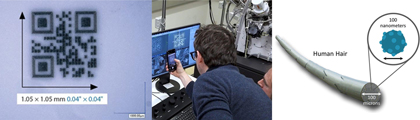
    🔬 A Code Smaller Than a Human Hair Imagine scanning a QR code so small it’s invisible to the naked eye—thinner than a strand of human hair. Recent breakthroughs in nanotechnology and microfabrication have made this possible, pushing the limits of how we store, encode, and retrieve information. Researchers have successfully created nano-scale QR codes using advanced lithography techniques, achieving structures measured in micrometers and even nanometers. For context, a human hair is typically 70–100 micrometers wide—meaning these QR codes can be hundreds of times smaller.     ⚙️ How Do You Even Build a Nano QR Code? Creating such ultra-small structures requires cutting-edge fabrication technologies, including: Electron Beam Lithography (EBL)Uses focused electron beams to “write” patterns at nanometer precision. Focused Ion Beam (FIB) MillingPrecisely carves materials at the atomic scale. Nanoimprint Lithography (NIL)Enables scalable replication of nano-patterns. These methods allow engineers to encode QR patterns into surfaces like silicon wafers, metals, or polymers, maintaining readability under high-resolution imaging systems such as scanning electron microscopes (SEM). 📊 Real-World Data & Scientific Context This isn’t just a lab curiosity—it builds on a broader trend in ultra-dense data storage: Researchers have demonstrated DNA-based data storage with densities up to 215 petabytes per gram. In 2023, teams achieved nanoscale optical storage using structured light, breaking traditional diffraction limits. Semiconductor industries already operate at single-digit nanometer nodes, proving the feasibility of mass production at this scale. In comparison, nano QR codes represent a bridge between physical encoding and machine-readable data, combining visual structure with extreme miniaturization. 🌐 Why This Matters: Beyond Just Tiny Codes 1. Next-Generation Data Storage Nano QR codes could encode information directly onto materials—turning any surface into a data carrier. 2. Anti-Counterfeiting & Security Because they are nearly impossible to replicate without specialized equipment, nano QR codes can serve as invisible authentication tags for: Pharmaceuticals Luxury goods Semiconductor components 3. Biomedical Applications Imagine embedding microscopic QR codes on medical implants or drug carriers, enabling: Real-time tracking Smart diagnostics Personalized medicine 4. Art Meets Science (Visual Impact 🎨) These structures are not only functional—they’re visually striking under magnification, making them ideal for: Scientific illustration Journal covers High-impact visual storytelling 🚧 Challenges to Overcome Despite the promise, several hurdles remain: Readability: Requires specialized imaging tools (not smartphone cameras—yet). Scalability: High-precision fabrication can be costly. Durability: Nano-patterns must withstand environmental wear. However, as imaging and fabrication technologies evolve, these limitations are expected to shrink—just like the QR codes themselves. 💡 Final Thought: When Data Becomes Invisible We are entering an era where information is no longer just stored—it is embedded, hidden, and seamlessly integrated into the material world. The world’s smallest QR code is more than a technical achievement.It’s a signal of a future where: Data lives everywhere—on every surface, at every scale.
    Read More
  • Asteroid Discovery Shock: Scientists Find All 5 DNA Bases in Space – What It Means for the Origins of Life Asteroid Discovery Shock: Scientists Find All 5 DNA Bases in Space – What It Means for the Origins of Life
    Apr 07, 2026
    🚀 A Cosmic Breakthrough That Changes Everything In a discovery that is reshaping our understanding of life’s origins, scientists have identified all five nucleobases—the fundamental “letters” of DNA and RNA—in asteroid samples. This finding suggests that the essential building blocks of life may not be unique to Earth, but instead widely distributed across the universe. The implication is profound: life, or at least its ingredients, may have cosmic origins. 🧬 What Exactly Was Found? DNA and RNA rely on five key nucleobases: Adenine (A) Guanine (G) Cytosine (C) Thymine (T) (DNA only) Uracil (U) (RNA only) While previous studies had detected some of these molecules in meteorites, recent analysis of asteroid samples—particularly from missions like NASA’s OSIRIS-REx and Japan’s Hayabusa2—revealed the complete set.                           Using ultra-sensitive analytical techniques such as high-resolution mass spectrometry, researchers were able to detect even trace amounts of these molecules, ruling out contamination and strengthening the case for their extraterrestrial origin. 🌌 Supporting Evidence: A Pattern Across Space This isn’t an isolated finding. Over the past decade, multiple lines of evidence have pointed toward a universe rich in organic chemistry: In 2022, scientists reported uracil in samples from asteroid Ryugu, collected by Hayabusa2. Meteorites like the Murchison meteorite have long been known to contain amino acids—key components of proteins. Observations of interstellar clouds have revealed complex organic molecules, including precursors to sugars and lipids. Together, these discoveries suggest that prebiotic chemistry is not rare—it may be the cosmic norm. 🌍 Did Life on Earth Come From Space? The idea that life’s ingredients arrived from space is known as panspermia. While this new discovery doesn’t prove that life itself came from asteroids, it strongly supports the idea that: Earth may have been “seeded” with the molecular toolkit needed for life. Early Earth, around 4 billion years ago, experienced intense asteroid bombardment. These impacts could have delivered: Organic molecules (like nucleobases and amino acids) Water and volatile compounds Catalytic minerals that support chemical reactions This would have significantly accelerated the emergence of life. 🔬 Why This Discovery Matters This finding reshapes several key scientific questions: 1. Life Might Be Common in the Universe If the building blocks of DNA are widespread, then the emergence of life elsewhere becomes more plausible. 2. Origin of Life May Be a Multi-Step, Multi-Location Process Instead of originating solely on Earth, life’s chemistry may have begun in space and continued evolving here. 3. Astrobiology Gets a Major Boost Future missions to Mars, Europa, and Enceladus will now look not just for life—but for these molecular precursors. 🛰️ What Comes Next? Scientists are now focusing on: More pristine samples from asteroids and comets Improved contamination control in sample-return missions Laboratory simulations of space chemistry under realistic conditions NASA’s ongoing analysis of Bennu samples and future missions will likely deepen our understanding of how chemistry transitions into biology. 💡 Final Thought: Are We Made of Stardust… Literally? We’ve long known that the elements in our bodies were forged in stars. Now, evidence suggests that the very code of life—DNA—may also have cosmic roots. This discovery doesn’t just answer questions.It opens a bigger one: If life’s ingredients are everywhere… how many worlds are alive?
    Read More
  • Slowing Aging: What Recent Research Tells Us About Longevity Science Slowing Aging: What Recent Research Tells Us About Longevity Science
    Feb 10, 2026
    Aging is something everyone experiences, yet for a long time it was treated as an unavoidable slide into decline. That view has started to change. Over the past decade, laboratory research has revealed that aging is not a single, passive process, but a collection of biological mechanisms that follow recognizable patterns. Many of these processes can now be measured, compared, and in some cases influenced. This shift has given rise to modern longevity science, a field that brings together molecular biology, clinical research, and evidence-based lifestyle studies to explore how aging might be slowed—and how more years of life might be spent in better health.   The Biology of Aging: From Molecules to Mechanisms At a fundamental level, aging reflects the gradual accumulation of cellular damage, a declining ability to repair tissues, and broad changes in metabolism and gene regulation. Researchers often describe these processes using the framework of the “hallmarks of aging.” These include genomic instability, cellular senescence, impaired protein maintenance, and mitochondrial dysfunction. Rather than viewing age-related diseases as isolated conditions, scientists increasingly see them as downstream consequences of these shared biological drivers. As a result, targeting the hallmarks themselves has become a central strategy in longevity research.   Breakthrough Laboratory Discoveries 1. Anti-aging drug combinations in animal models One widely discussed study from the Max Planck Institute for Biology of Ageing examined what happens when two existing drugs—rapamycin, an mTOR inhibitor, and trametinib—are used together in mice. The combination extended lifespan by up to 30% compared with untreated animals. Just as importantly, the mice did not simply live longer; they remained physically stronger and showed lower levels of chronic inflammation. The findings suggest that manipulating key signaling pathways can influence both lifespan and overall physiological function. 2. Genetic insights from animal research Genetic models continue to play a crucial role in aging studies. In one example, mice engineered to overexpress the enzyme SIRT6—a protein involved in metabolic regulation and DNA repair—lived significantly longer than controls. These animals also showed reduced inflammation and improved metabolic stability as they aged. Such results reinforce the idea that relatively small changes in gene regulation can have wide-ranging effects on aging trajectories. 3. Multi-gene drug repurposing networks More recently, computational approaches have added a new dimension to longevity research. By mapping thousands of genes linked to different aging hallmarks, scientists have identified existing drugs that may influence these networks. This systems-level perspective, often referred to as network medicine, allows researchers to prioritize drug candidates that act on multiple aging pathways at once, accelerating the search for viable interventions. 4. Synergistic effects of drug combinations in yeast Even simple organisms continue to offer valuable clues. In laboratory experiments with yeast, combinations of histone deacetylase inhibitors produced lifespan extensions far greater than those achieved by individual compounds alone. Because many core aging mechanisms are conserved across species, these findings help researchers explore how synergistic drug effects might translate to more complex organisms. 5. Nutritional interventions with molecular impact Nutrition research has also moved beyond broad dietary advice to examine how specific eating patterns affect aging pathways. Both laboratory and clinical studies show that interventions such as dietary restriction or time-restricted feeding can modulate nutrient-sensing pathways like mTOR and IGF-1. These changes are closely linked to mitochondrial performance, metabolic flexibility, and cellular stress resistance.   Emerging Human Clinical Evidence Animal models provide essential insight, but human data are increasingly shaping the field.   Vitamin D and telomere preservation A multi-year randomized clinical trial published in The American Journal of Clinical Nutrition reported that adults over 50 who took 2,000 IU of vitamin D3 daily experienced slower telomere shortening than those in the control group. Because telomeres play a protective role at the ends of chromosomes, their rate of shortening is often used as a marker of cellular aging and long-term disease risk.   Diet, exercise, and biological aging clocks The DO-HEALTH trial, one of the largest aging studies conducted in Europe, applied epigenetic “aging clocks” to estimate biological age. Participants who combined omega-3 supplementation, vitamin D intake, and regular strength training showed a measurable slowing of biological aging over three years. The results highlight how lifestyle factors can interact with molecular aging processes in meaningful ways.   Lifestyle Interventions With Molecular Impact Even as laboratory research advances, everyday habits remain powerful tools for influencing aging biology. Caloric and nutrient modulation: Moderate caloric restriction and thoughtful nutrient timing can alter metabolic signaling and cellular stress responses associated with aging. Physical activity: Regular exercise supports mitochondrial function, limits chronic inflammation, and promotes cellular repair, consistently correlating with slower biological aging. Sleep and stress control: Sleep quality and stress levels affect systemic inflammation and DNA repair, both of which play key roles in long-term aging processes.     Translational Challenges and Future Directions Despite encouraging results, translating laboratory findings into real-world therapies is not straightforward. Human complexity: Effects seen in animals often appear smaller in humans, whose biology and lifespans are far more complex. Safety and ethics: Intervening in core processes such as gene regulation or cellular reprogramming carries long-term uncertainties, requiring careful clinical oversight. Accessibility: As longevity technologies develop, ensuring fair and broad access will be an ongoing challenge.   Bringing Longevity Science to Life The path from laboratory discovery to clinical application is still unfolding, but the direction is clear. Future strategies are likely to combine pharmacological advances with precision nutrition, exercise science, and personalized diagnostics into integrated approaches to healthy aging. For science communicators, clear figure design can make complex mechanisms—such as senescence pathways or drug targets—easier to understand, while thoughtful cover design helps longevity research stand out in an increasingly crowded information landscape.    
    Read More
1 2 3 4

leave a message

leave a message
Communicate content - Provide sketches - Signing the contract - Payment - Provide first draft - Revision - Finalization.
Submit

Our hours

Beijing time: 9:00-18:00

Contact Us:service@sondii.com

Home

Products

whatsApp

contact