Home

biomedical research

biomedical research

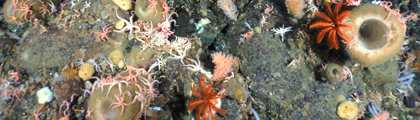
  • Could Antarctic Marine Life Help Fight Cancer? Tiny Antarctic Sea Creatures May Hold the Key to Future Melanoma Treatments Could Antarctic Marine Life Help Fight Cancer? Tiny Antarctic Sea Creatures May Hold the Key to Future Melanoma Treatments
    Jul 03, 2026
    Introduction The Earth's oceans remain one of the least explored frontiers of scientific discovery. Hidden beneath the icy waters surrounding Antarctica are thousands of unique marine organisms that have evolved remarkable survival strategies in one of the planet's harshest environments. Now, these extraordinary adaptations may offer something even more valuable: new weapons against cancer. Recent biomedical research has identified bioactive compounds produced by Antarctic marine organisms that show promise in the fight against melanoma, one of the deadliest forms of skin cancer. While these discoveries are still in the research stage, they highlight the growing importance of marine biology in drug discovery and the search for next-generation cancer therapies. Why Scientists Are Looking to the Ocean More than 70% of Earth's surface is covered by oceans, yet only a small fraction of marine species has been thoroughly studied. Unlike terrestrial organisms, marine animals often produce highly specialized chemical compounds to survive extreme conditions, defend against predators, or compete for space and resources. These naturally occurring molecules have attracted increasing interest because many possess: Anti-inflammatory properties Antibacterial activity Antiviral effects Anticancer potential Over the past two decades, several approved medicines—including treatments for cancer and chronic pain—have originated from marine organisms. This success has encouraged researchers to explore even more remote ecosystems, including Antarctica. Why Antarctica Is a Unique Natural Laboratory Antarctic waters are among the coldest, darkest, and most nutrient-rich marine environments on Earth. To survive these extreme conditions, organisms have evolved unique biochemical pathways that are rarely found elsewhere. Scientists are particularly interested in organisms such as: Sea squirts (tunicates) Sponges Soft corals Bryozoans Marine bacteria Microalgae Many of these species produce complex molecules that help them survive environmental stress and resist microbial infections. These same molecules may also influence human biological pathways involved in cancer development. Tiny Sea Creatures, Big Scientific Potential   Among the most promising discoveries are compounds isolated from Antarctic sea squirts. Sea squirts are simple filter-feeding marine animals, but they produce a remarkable variety of natural chemicals. Laboratory studies suggest that some of these compounds can: Slow the growth of melanoma cells Trigger programmed cancer cell death (apoptosis) Reduce tumor cell proliferation Interfere with cancer-related signaling pathways Although these findings remain at the preclinical stage, they provide valuable starting points for developing new anticancer drugs. Researchers emphasize that these molecules are not treatments themselves but serve as templates that medicinal chemists can optimize for future therapies. Why Melanoma Remains a Major Challenge Melanoma develops when pigment-producing cells, known as melanocytes, become cancerous. Although melanoma accounts for a smaller proportion of skin cancer cases, it is responsible for the majority of skin cancer deaths because it can spread rapidly to other organs. Modern therapies—including immunotherapy and targeted drugs—have significantly improved survival rates. However, several challenges remain: Drug resistance Tumor recurrence Variable patient responses Limited treatment options for advanced disease These challenges continue to drive the search for entirely new classes of anticancer compounds. Marine natural products represent one promising avenue of exploration. From Marine Biology to Drug Discovery Transforming a marine compound into an approved medicine is a long and highly regulated process. The journey typically includes: Discovering a biologically active molecule. Identifying its chemical structure. Testing its activity in laboratory experiments. Optimizing the compound for safety and effectiveness. Conducting animal studies. Performing clinical trials in humans. Only a small percentage of promising molecules ultimately become approved medicines. Nevertheless, every successful drug begins with a scientific discovery. The Growing Role of Marine Drug Discovery Marine drug discovery has become one of the fastest-growing fields in biomedical research. Advances in genomics, artificial intelligence, and analytical chemistry now allow scientists to identify promising natural compounds more efficiently than ever before. Researchers increasingly combine: Marine biology Computational chemistry Structural biology Artificial intelligence Precision medicine This multidisciplinary approach is accelerating the search for future cancer therapies while reducing the time required to identify promising drug candidates. Scientific Visualization Helps Communicate Complex Discoveries Research involving marine natural products often spans multiple scientific disciplines, including ecology, chemistry, molecular biology, pharmacology, and oncology. Communicating these complex relationships through text alone can be challenging. Scientific illustrations, graphical abstracts, and mechanism diagrams help researchers explain: Marine organism habitats Chemical compound structures Cellular signaling pathways Drug-target interactions Cancer inhibition mechanisms Well-designed scientific visuals not only improve reader understanding but also enhance the clarity and impact of research publications. Looking Ahead The icy waters surrounding Antarctica continue to reveal remarkable biological diversity with enormous scientific potential. Although much work remains before marine-derived compounds become routine cancer treatments, recent discoveries demonstrate that nature still holds countless opportunities for medical innovation. As technologies such as artificial intelligence, genomic sequencing, and marine biotechnology continue to advance, scientists are discovering new ways to transform unusual marine chemistry into life-saving medicines. The next breakthrough in melanoma treatment may come not from a traditional laboratory—but from one of the most remote ecosystems on Earth. Conclusion Marine organisms have already inspired several important medicines, and Antarctic biodiversity may provide the next generation of anticancer compounds. Research into melanoma treatments derived from Antarctic sea life illustrates how marine biology and drug discovery are becoming increasingly interconnected. While these discoveries remain in the early stages of development, they reinforce an important lesson: protecting Earth's oceans is not only essential for biodiversity but may also be critical for the future of human health. Continued investment in marine science, biomedical research, and international collaboration will be vital as scientists explore one of medicine's most promising frontiers.
    Read More
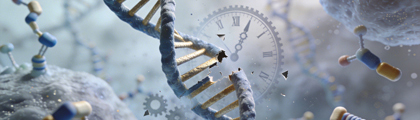
  • Slowing Aging: What Recent Research Tells Us About Longevity Science Slowing Aging: What Recent Research Tells Us About Longevity Science
    Feb 10, 2026
    Aging is something everyone experiences, yet for a long time it was treated as an unavoidable slide into decline. That view has started to change. Over the past decade, laboratory research has revealed that aging is not a single, passive process, but a collection of biological mechanisms that follow recognizable patterns. Many of these processes can now be measured, compared, and in some cases influenced. This shift has given rise to modern longevity science, a field that brings together molecular biology, clinical research, and evidence-based lifestyle studies to explore how aging might be slowed—and how more years of life might be spent in better health.   The Biology of Aging: From Molecules to Mechanisms At a fundamental level, aging reflects the gradual accumulation of cellular damage, a declining ability to repair tissues, and broad changes in metabolism and gene regulation. Researchers often describe these processes using the framework of the “hallmarks of aging.” These include genomic instability, cellular senescence, impaired protein maintenance, and mitochondrial dysfunction. Rather than viewing age-related diseases as isolated conditions, scientists increasingly see them as downstream consequences of these shared biological drivers. As a result, targeting the hallmarks themselves has become a central strategy in longevity research.   Breakthrough Laboratory Discoveries 1. Anti-aging drug combinations in animal models One widely discussed study from the Max Planck Institute for Biology of Ageing examined what happens when two existing drugs—rapamycin, an mTOR inhibitor, and trametinib—are used together in mice. The combination extended lifespan by up to 30% compared with untreated animals. Just as importantly, the mice did not simply live longer; they remained physically stronger and showed lower levels of chronic inflammation. The findings suggest that manipulating key signaling pathways can influence both lifespan and overall physiological function. 2. Genetic insights from animal research Genetic models continue to play a crucial role in aging studies. In one example, mice engineered to overexpress the enzyme SIRT6—a protein involved in metabolic regulation and DNA repair—lived significantly longer than controls. These animals also showed reduced inflammation and improved metabolic stability as they aged. Such results reinforce the idea that relatively small changes in gene regulation can have wide-ranging effects on aging trajectories. 3. Multi-gene drug repurposing networks More recently, computational approaches have added a new dimension to longevity research. By mapping thousands of genes linked to different aging hallmarks, scientists have identified existing drugs that may influence these networks. This systems-level perspective, often referred to as network medicine, allows researchers to prioritize drug candidates that act on multiple aging pathways at once, accelerating the search for viable interventions. 4. Synergistic effects of drug combinations in yeast Even simple organisms continue to offer valuable clues. In laboratory experiments with yeast, combinations of histone deacetylase inhibitors produced lifespan extensions far greater than those achieved by individual compounds alone. Because many core aging mechanisms are conserved across species, these findings help researchers explore how synergistic drug effects might translate to more complex organisms. 5. Nutritional interventions with molecular impact Nutrition research has also moved beyond broad dietary advice to examine how specific eating patterns affect aging pathways. Both laboratory and clinical studies show that interventions such as dietary restriction or time-restricted feeding can modulate nutrient-sensing pathways like mTOR and IGF-1. These changes are closely linked to mitochondrial performance, metabolic flexibility, and cellular stress resistance.   Emerging Human Clinical Evidence Animal models provide essential insight, but human data are increasingly shaping the field.   Vitamin D and telomere preservation A multi-year randomized clinical trial published in The American Journal of Clinical Nutrition reported that adults over 50 who took 2,000 IU of vitamin D3 daily experienced slower telomere shortening than those in the control group. Because telomeres play a protective role at the ends of chromosomes, their rate of shortening is often used as a marker of cellular aging and long-term disease risk.   Diet, exercise, and biological aging clocks The DO-HEALTH trial, one of the largest aging studies conducted in Europe, applied epigenetic “aging clocks” to estimate biological age. Participants who combined omega-3 supplementation, vitamin D intake, and regular strength training showed a measurable slowing of biological aging over three years. The results highlight how lifestyle factors can interact with molecular aging processes in meaningful ways.   Lifestyle Interventions With Molecular Impact Even as laboratory research advances, everyday habits remain powerful tools for influencing aging biology. Caloric and nutrient modulation: Moderate caloric restriction and thoughtful nutrient timing can alter metabolic signaling and cellular stress responses associated with aging. Physical activity: Regular exercise supports mitochondrial function, limits chronic inflammation, and promotes cellular repair, consistently correlating with slower biological aging. Sleep and stress control: Sleep quality and stress levels affect systemic inflammation and DNA repair, both of which play key roles in long-term aging processes.     Translational Challenges and Future Directions Despite encouraging results, translating laboratory findings into real-world therapies is not straightforward. Human complexity: Effects seen in animals often appear smaller in humans, whose biology and lifespans are far more complex. Safety and ethics: Intervening in core processes such as gene regulation or cellular reprogramming carries long-term uncertainties, requiring careful clinical oversight. Accessibility: As longevity technologies develop, ensuring fair and broad access will be an ongoing challenge.   Bringing Longevity Science to Life The path from laboratory discovery to clinical application is still unfolding, but the direction is clear. Future strategies are likely to combine pharmacological advances with precision nutrition, exercise science, and personalized diagnostics into integrated approaches to healthy aging. For science communicators, clear figure design can make complex mechanisms—such as senescence pathways or drug targets—easier to understand, while thoughtful cover design helps longevity research stand out in an increasingly crowded information landscape.    
    Read More

leave a message

leave a message
Communicate content - Provide sketches - Signing the contract - Payment - Provide first draft - Revision - Finalization.
Submit

Our hours

Beijing time: 9:00-18:00

Contact Us:service@sondii.com

Home

Products

whatsApp

contact