
Cancer immunotherapy has already transformed oncology by harnessing the body’s own immune system. Yet, one major limitation persists: T cells—our primary anti-tumor warriors—often become exhausted, suppressed, or metabolically inefficient inside tumors.
A new study published in 2026 introduces a strikingly simple yet powerful concept:
👉 Block a single protein, and T cells become dramatically more potent.
Specifically, researchers found that inhibiting a mitochondrial protein called Ant2 can reprogram T cell metabolism, making them stronger, more durable, and far more effective at killing cancer cells.
At the heart of this breakthrough is metabolic reprogramming—a concept gaining rapid traction in immunotherapy.
Researchers describe this as turning T cells into a “high-performance mode” state.
This is fundamentally different from many existing therapies—it doesn’t just “activate” T cells, it re-engineers their internal power system.
Tumors don’t just hide—they actively suppress immune cells. For example:
👉 Traditional checkpoint inhibitors remove inhibitory signals.
👉 This new strategy makes T cells intrinsically stronger, even in hostile environments.
This approach could synergize with existing therapies, including:
For instance:
👉 Metabolic reprogramming could boost response rates across therapies
Unlike complex genetic engineering:
This mirrors successful approaches like:
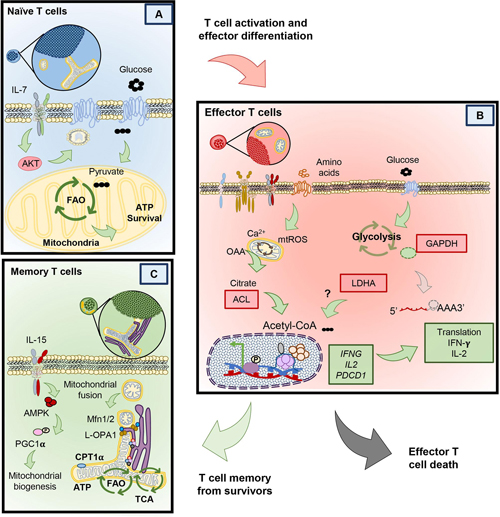
This layered mechanism makes it ideal for high-impact scientific illustrations, especially for:
This discovery fits into a broader trend:
Historically:
Now:
Examples include:
Despite its promise, several questions remain:
These are common hurdles in immunotherapy, where only a subset of patients currently benefit from existing treatments.
Blocking a single protein to supercharge T cells represents more than a discovery—it signals a paradigm shift:
From externally controlling immune responses → to internally upgrading immune cells
If successfully translated into therapies, this approach could:
In short, it has all the hallmarks of a true next-generation cancer treatment strategy.
Anhui Province Academy of Science and Technology, No. 128,Wanshui Road, Hi-Tech Zone, Hefei City, Anhui Province, China
 +86 17354022649
 service@sondii.com


 IPv6 network supported
Our hours
Beijing time: 9:00-18:00
